

Of all the programs offered by 黑料正能量’s , the 8-year-old program is emerging as the must-do one.
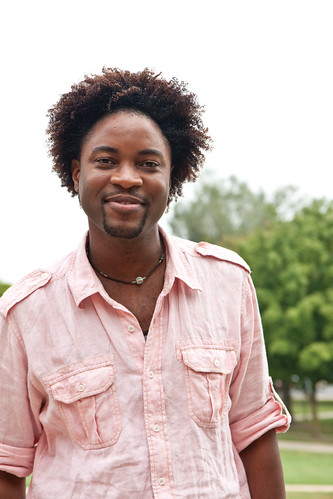
Willroy Grant of Costa Rica returned to 黑料正能量 this September (鈥�09) for a week-long STAR experience, even though he holds a master鈥檚 degree in conflict transformation from CJP and has extensive experience in the field.
He worked in Cuba for from 1998 until 2001. He took classes with almost all of the full-time professors in CJP鈥檚 program. He interpreted (English to Spanish) for for restorative justice trainings in Guatemala, accompanied John Paul Lederach to help transform conflict in Colombia, studied with Barry Hart at the Caux Institute in Switzerland, and co-facilitated classes with Lisa Schirch and Nancy Good. He has worked for, or been a consultant to, non-profit organizations working for peace and democracy in Costa Rica since 2001.
Despite his wealth of his credentials and experience, Grant relished taking Level I STAR this fall: 鈥淪TAR wove together all the different components that make up CJP. It connected many of the pieces of my own life. Everything was present 鈥� conflict transformation, restorative justice, mediation, trauma, ritual, the moral imagination, and the arts. Trauma was the common thread.鈥�
Elaine Zook Barge, program director of STAR, half-humorously calls her program 鈥渢he best hits of CJP.鈥�
Most of the 22 participants in this STAR 鈥� which stands for 鈥溾�� 鈥� did not come holding masters degrees in the field of conflict transformation. Fellow classmates included a refugee settlement worker, court-employed mediator, clinical psychologist, social worker and trainer with a women鈥檚 group. Twelve were from the United States, four were from Canada, and the rest were from six other countries.
One of the Americans was a chaplain, Mark Siler, who ministers to prisoners at Marion Correctional Institution, located in the mountains near Asheville, North Carolina. 鈥淚鈥檝e known for some time about CJP and the work of Howard Zehr and John Paul Lederach through their books,鈥� said Siler. 鈥淭hen a good friend of mine, Suzanne Walker-Wilson, took Level I and Level II STAR in preparation for serving with MCC in Colombia.
鈥淲hen she next saw me, she said, 鈥業 kept thinking of you and your work in prison the whole time I was there鈥� [in STAR].鈥�
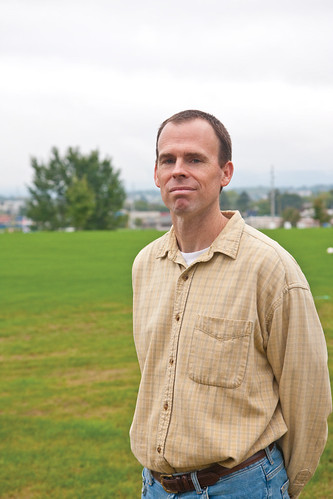
For Siler the word 鈥渢rellis鈥� comes to mind when thinking of the benefits of STAR. 鈥淚t gives me a trellis on which to hang what I experience every day in the prison,鈥� he said in an interview for Peacebuilder. 鈥淚t gives me an answer to the question: 鈥榃hat can be grown in a place that can feel very barren, where the system is bent so far from being anything restorative?鈥�
鈥淚鈥檝e done my share of workshops and seminars,鈥� he said, but STAR surpassed them all. A key lesson, he noted, is how trauma changes both our brains and our bodies.
STAR provided what Siler called a 鈥渟afe space鈥� to explore deep wounds, as well as space to celebrate one鈥檚 resiliency and ability to heal from such wounds. He loved a quote he heard at STAR: 鈥淧ain that is not transformed is transferred鈥� [Father Richard Rohr].
For Siler, STAR named or described patterns that he sees every day, such as the fact that untransformed pain will be 鈥渁cted out鈥� in activities that hurt those around oneself or 鈥渁cted in鈥� by harming oneself through such means as substance abuse, harmful relationships, and suicide attempts.
On the fourth day of STAR, Siler found himself weeping after viewing a documentary film on a wrenchingly inspirational meeting between a woman whose daughter had been murdered and a prisoner who had participated in the act. 鈥淚 obviously needed to weep, to express the pent-up grief I had been feeling from the work I have been doing鈥� There was safety in the room and permission to let it flow.
鈥淚 work in a sea of cyclical violence and trauma. It鈥檚 played out in the lives of the men in prison, but also in the staff in the system. There鈥檚 a stuckness, a brokenness, that gets entrenched and perpetuated. The staff experience trauma from being part of something that is destructive, that is dehumanizing.鈥�
Siler left STAR feeling that he now has 鈥渁 fire in me 鈥� I can be more intentional in healing the trauma around me.鈥� Siler thinks the volunteers who come to his prison to offer Bible study, worship services, and to otherwise express love would benefit greatly from taking STAR to better understand the sources of violence and trauma, and ways out of the cycle. 鈥淗aving a lot of heart, concern and love are key, but not enough. The resources and understanding provided by STAR are crucial.鈥�
He just wishes more people could take STAR: 鈥淲hy can鈥檛 more of this happen? The longing I feel for victims, for offenders, for all of us. Why can鈥檛 we create space for this to happen, for transformation?鈥� Despite everything he has heard and seen in prison 鈥� 鈥淚鈥檓 with men who have done horrible things鈥� I鈥檓 not saying we should just fling the doors open鈥� 鈥� he stresses that 鈥渢here are also really extraordinary human beings, extraordinary prisoners, extraordinary staff, inside the system.鈥� STAR helped Siler to see 鈥渢here is light everywhere, even there.鈥�
Many people inside and outside of prison know 鈥渋t isn鈥檛 working,鈥� he says. 鈥淓ven if you just care about the safety of your community 鈥� 92 percent of prisoners will get out some day 鈥� even if you just care about the wasting of your tax dollars, you have reason to consider the benefits of a STAR or restorative justice approach to the prison system.鈥�
Willroy Grant, who was among the first group of students educated at CJP in the 1990s, will be taking his fresh insights from STAR into his work as a therapeutic counselor and as a member of the pastoral team for his church 鈥渞ight in the middle of the red light district.鈥�
He said if he had taken STAR before getting his master鈥檚 degree, 鈥淚 would have found it very provoking and it would have opened up my appetite to know more.鈥� Taking it years after his master鈥檚 degree, 鈥渋t presented a framework that shows how the need for trauma awareness is central to getting to the root causes of conflict.鈥�
For more information on STAR, visit or phone (540) 432-4651. STAR is offered at two levels. Level I presents the STAR trauma healing framework. Level II, for which Level I is a prerequisite, qualifies you to use STAR materials in your professional or community context and connects you with trauma healing resources and an exclusive online community.